What Does a Fractional COO Do? Roles, Responsibilities, and Results
A fractional COO provides senior operations leadership on a part-time or embedded basis, helping founder-led companies turn strategy into systems, accountability, and consistent execution.
By Versed Digital4 min read
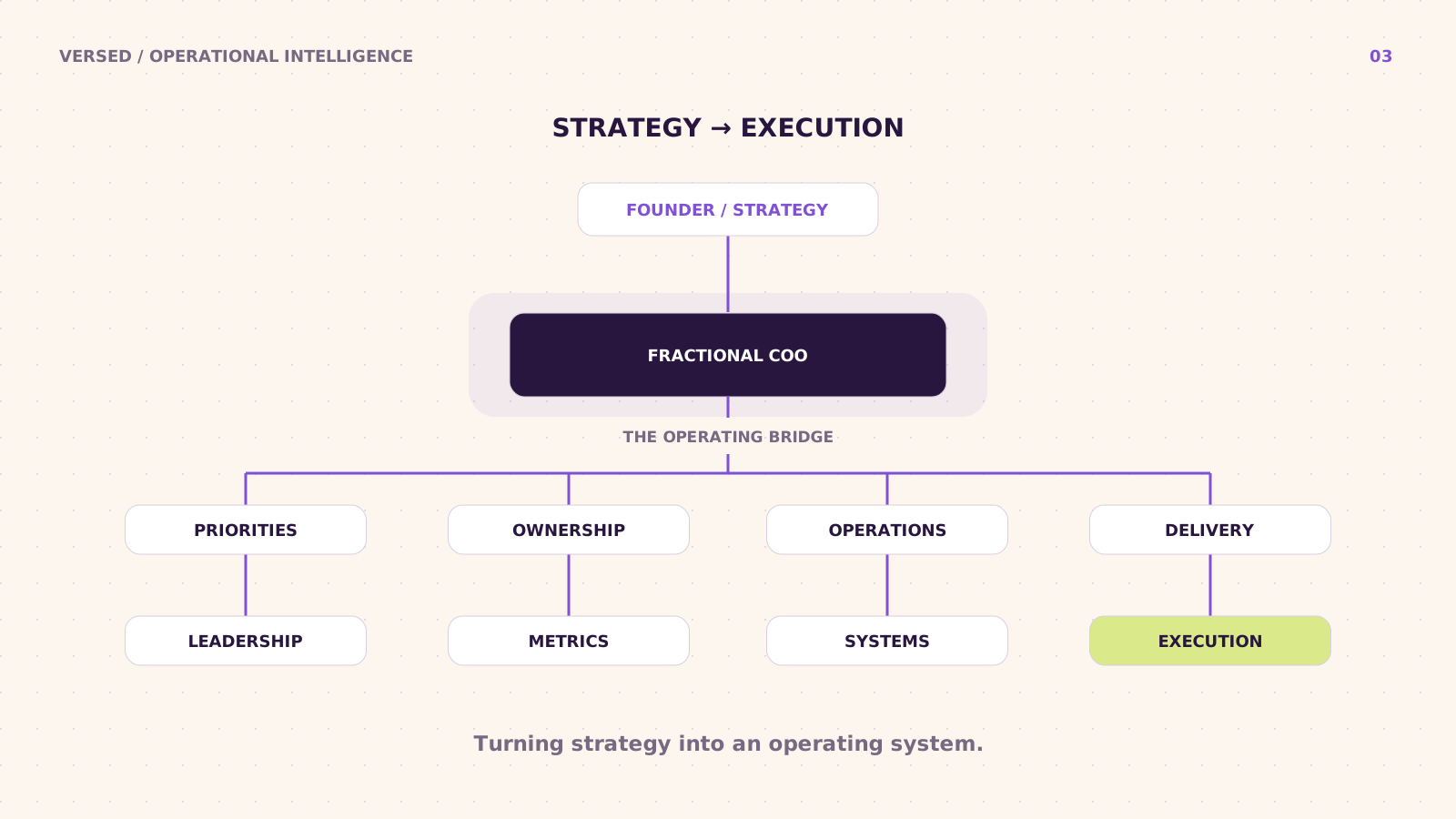
Turning strategy into an operating system.
A fractional COO is an experienced operations leader who works with a company on a part-time or embedded basis instead of joining as a full-time executive.
The role is usually most valuable when a founder-led company has outgrown informal ways of operating but is not yet ready—or does not yet need—to hire a full-time Chief Operating Officer.
A strong fractional COO does more than manage projects.
They help translate strategy into a repeatable operating system.
What a fractional COO is responsible for
The exact scope varies by company, but most fractional COO work falls into several areas.
Turning strategy into execution
Founders often know where they want the company to go but struggle to keep priorities aligned across the team.
A fractional COO can convert strategic goals into:
A fractional COO works across the organization and helps leadership build the system through which the company executes.
When a company may need a fractional COO
Common signs include:
the founder is deeply involved in daily execution
priorities change constantly or remain unclear
managers operate in silos
projects fall through gaps between teams
meetings multiply without improving visibility
client delivery becomes harder as revenue grows
accountability is inconsistent
leadership lacks a reliable operating dashboard
the company needs COO-level structure but not necessarily a full-time executive
Fractional COO vs full-time COO
A full-time COO becomes a permanent executive with broad leadership responsibility.
That can be the right move for a larger or more complex organization that needs continuous executive ownership.
A fractional COO can be a better fit when the immediate need is to:
stabilize operations
install infrastructure
prepare the company for a later executive hire
provide senior operating leadership without a full-time commitment
The right question is not simply:
“Can we afford a COO?”
It is:
What level of operating leadership does the company actually need right now?
What results should you expect?
A useful fractional COO engagement should create measurable operating improvements, such as:
clearer priorities and accountability
faster decisions
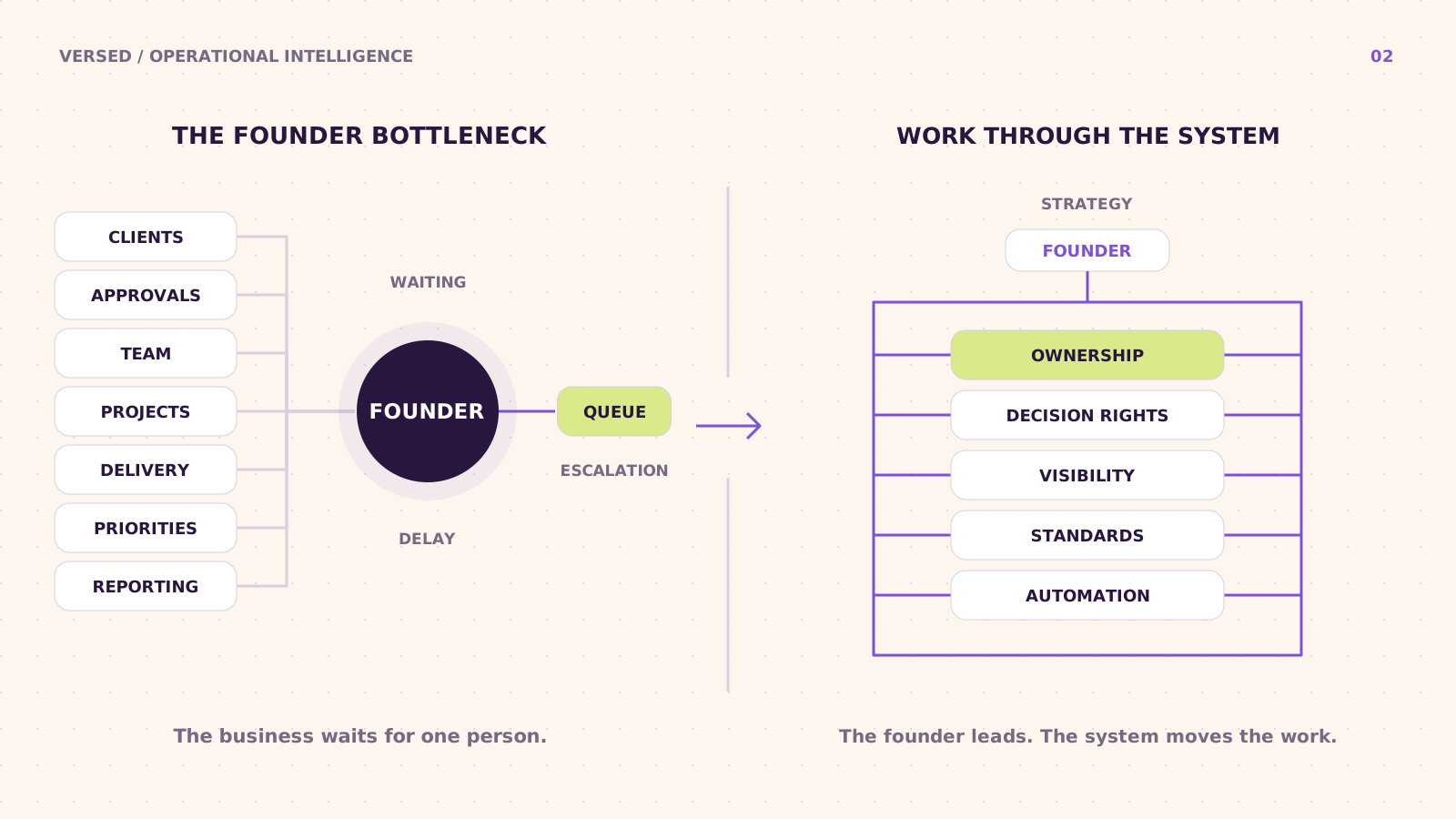
fewer founder escalations
better visibility into performance
cleaner handoffs
more predictable delivery
fewer unnecessary meetings
stronger management ownership
systems the internal team can continue using
The objective is not to create permanent dependency on the fractional executive.
It is to leave the company with stronger operating capability.
Frequently Asked Questions
How many hours does a fractional COO work?
There is no single standard.
Engagements may range from a small number of strategic hours per month to several days per week, depending on company complexity and scope.
Does a fractional COO manage employees?
Often, yes.
Some engagements include direct leadership of managers or cross-functional teams.
Others focus more on operating infrastructure and founder advisory.
How long should a fractional COO engagement last?
It depends on the problem being solved.
Some companies need a focused transformation period.
Others benefit from ongoing operating leadership.
Is a fractional COO only for startups?
No.
The model can work for established founder-led companies, service businesses, agencies, professional firms, institutes, and other organizations that need experienced operating leadership without immediately adding a full-time executive.
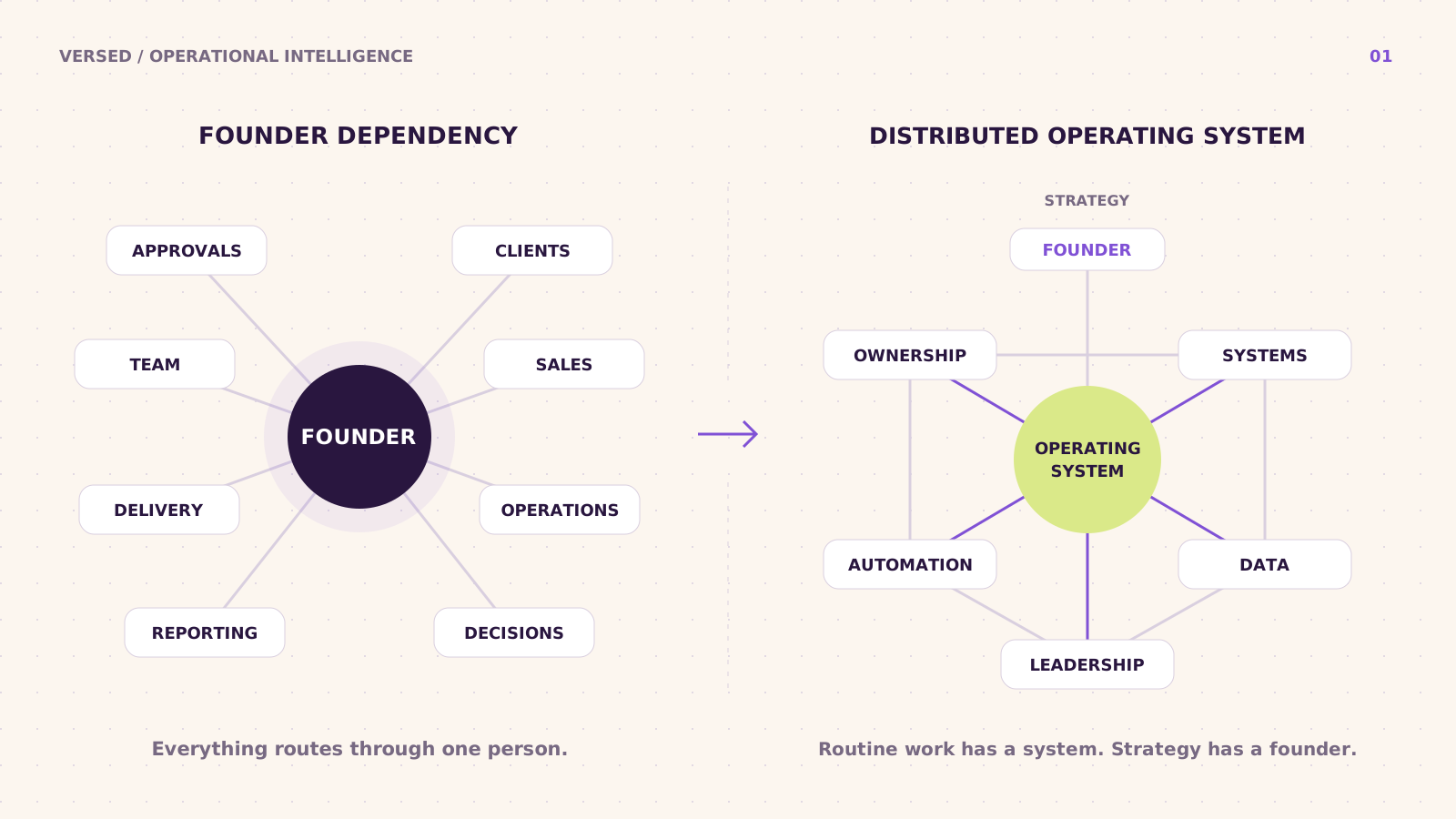
Founder dependency happens when a business cannot consistently make decisions, solve problems, deliver work, or maintain momentum without the founder’s direct involvement. Learn how to recognize it—and how to reduce it.
If every important decision, approval, client issue, and priority eventually lands with you, the business has learned to route work through the founder. Here’s how to redesign that operating system.